AI avatars or real employees in recruitment videos? Why candidates can tell
AI avatars make a video in minutes, but do they belong in hiring? What they do well, where they fall short, and why a real colleague is more convincing.
Flipbase · 13 October 2026
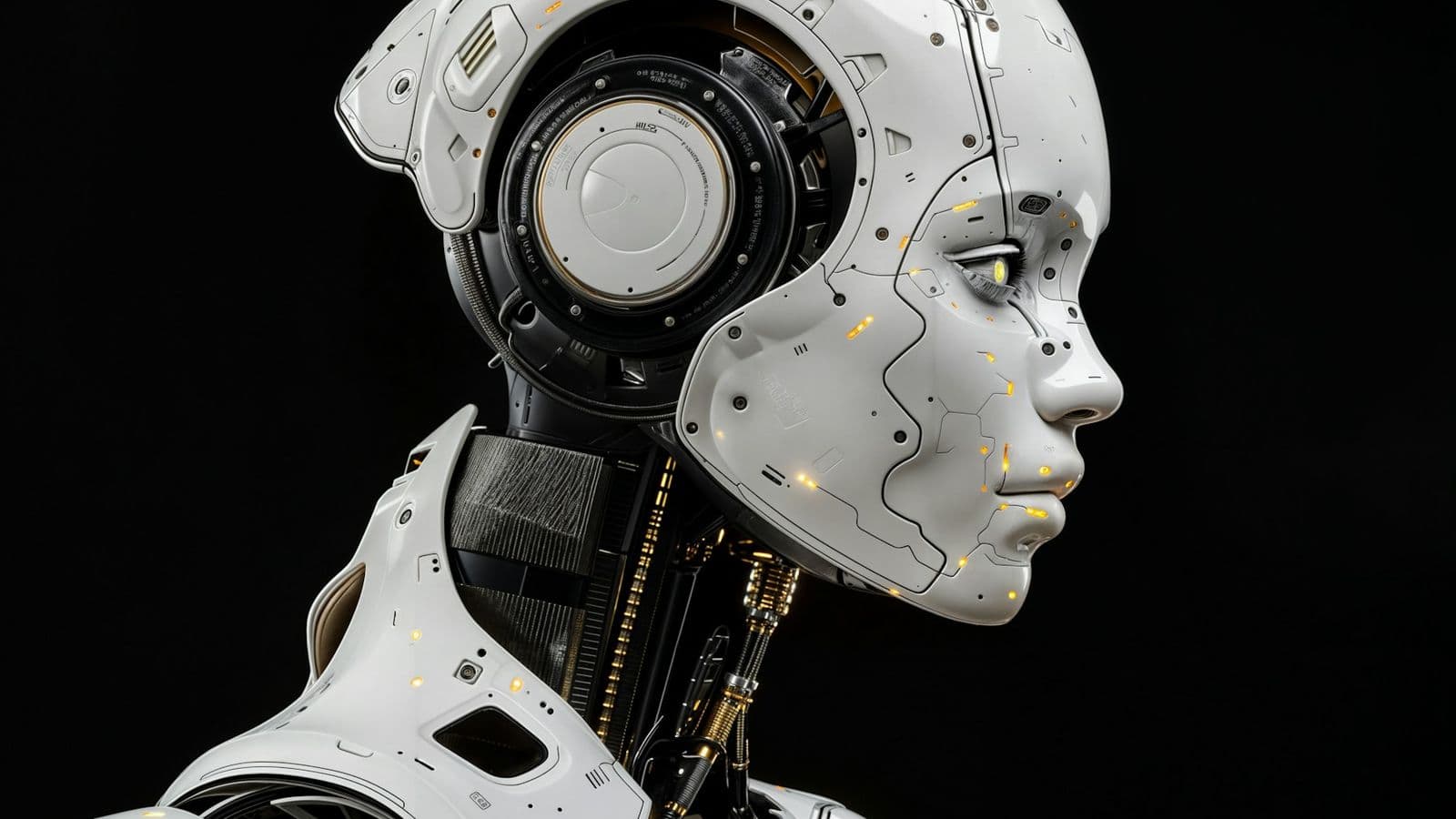
With an AI avatar you can make a video in a few minutes. You type a script, pick a face and a voice, and someone who was never filmed starts talking. For some uses, that's handy. But does it belong in hiring?
What AI avatars are good at
- Explanations that change often, such as instructions or procedures.
- Training in several languages.
- Situations where it doesn't matter who says it, only what is said.
Why hiring is different
In hiring, it matters exactly who says it. A candidate wants to know what it's like to work for you, and with whom. An avatar can't show that by definition: it doesn't work there, it has no colleagues, and it never stayed.
Candidates are getting more suspicious
Job ads are increasingly generated, and so are cover letters. People who see all that generated content start looking for what's real. A face that turns out to be generated costs trust, even when the message is accurate.
Real doesn't have to be expensive
The case for avatars is often that colleagues won't go on camera, or that filming takes too long. But a colleague talking into their own phone for half a minute costs almost nothing. With subtitles and your branding on top, it looks professional too.
A simple rule of thumb
Is the video about what someone needs to know? An avatar can do that. Is it about what it feels like to work here? Then it has to be a real colleague.
And the AI rules?
The EU AI Act requires transparency about AI-generated images and bans emotion recognition in the workplace, which includes hiring. If you use AI in your recruitment videos, make it clear what was generated.
Video Strings only features real people. AI helps you choose questions and writes the subtitles, but it never judges the videos or the people in them.
See Video Strings